
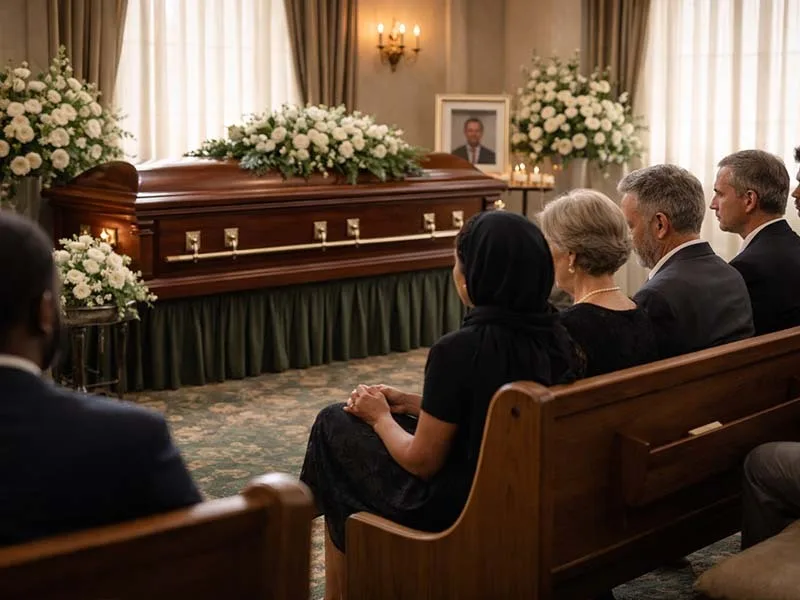
Losing a loved one is an emotional experience, and arranging the final rites can feel overwhelming when families are dealing with grief. There may be several practical responsibilities to manage while ensuring that religious customs and family traditions are followed respectfully.
Having reliable assistance can make the process easier. From understanding traditional rituals to arranging the necessary services, professional guidance can help families focus on remembering their loved one while important details are handled with care.
Legacy Lane supports families with funeral related arrangements and guidance, helping them organize meaningful ceremonies according to their traditions and preferences.
Understanding Funeral Arrangements
Funeral customs can differ according to religion, community, family traditions, and personal beliefs. Families may need assistance in coordinating several aspects of the ceremony while ensuring that customary practices are observed correctly.
Planning may involve:
• Selecting an appropriate funeral location
• Coordinating religious rituals
• Arranging transportation
• Organizing essential funeral materials
• Scheduling the ceremony
• Coordinating with priests or religious representatives
• Supporting family members throughout the arrangements
Having these details organized can reduce unnecessary pressure during an already difficult period.
Planning a Funeral Service in Delhi
A Funeral Service in Delhi can involve several traditional and practical arrangements. Families may need to consider the location, timing, religious requirements, and specific customs that should be followed during the final rites.
Delhi is a large city with many communities and religious traditions, so funeral arrangements can vary considerably. Understanding the family’s requirements before making arrangements can help ensure that the ceremony reflects the wishes of the deceased and their loved ones.
Professional assistance can also help families coordinate different aspects of the ceremony more efficiently.
The Importance of Religious Rituals
For many families, funeral rituals are an important part of saying goodbye to a loved one. These practices may provide a sense of spiritual connection and help family members follow traditions that have been passed down through generations.
The exact rituals can vary according to religious beliefs and regional customs. Families should therefore communicate their requirements clearly when arranging funeral support.
Arranging a Pandit for Traditional Ceremonies
Families following Hindu traditions may wish to have a qualified priest guide them through the necessary rituals.
A Pandit for Funeral Services Delhi can help families understand the sequence of traditional ceremonies and guide them through prayers and other customary practices.
Having an experienced priest present can be particularly helpful when family members are unfamiliar with specific rituals or when arrangements need to be made quickly.
Why Professional Guidance Can Help
Funeral arrangements often need to be completed within a limited period. Families may be coping with grief while simultaneously making decisions about practical matters.
Professional assistance can help organize these responsibilities and provide information about available options.
This support allows family members to spend more time with one another and focus on paying their respects.
Choosing a Suitable Funeral Provider
When selecting funeral assistance, families can consider several factors.
Understanding of Traditions
The service provider should respect different religious and cultural practices.
Clear Communication
Families should receive clear information about the arrangements, services, and associated requirements.
Timely Support
Funeral arrangements often need to be coordinated quickly, so responsive assistance can be valuable.
Respectful Approach
Every interaction should be handled with sensitivity and consideration for the family’s emotional circumstances.
Personalized Arrangements
Every family has different requirements, and funeral support should be adapted accordingly.
Preparing for the Ceremony
Once the main arrangements have been confirmed, families can focus on preparing for the ceremony itself.
This may include gathering necessary documents, communicating with relatives, arranging suitable clothing and ritual materials, and confirming the ceremony schedule with everyone involved.
If a priest is participating, discussing the required rituals beforehand can help the family understand what to expect.
Supporting Family Members
Funeral planning is not only about logistics. It is also about creating an environment where family members can come together to grieve and remember the deceased.
Responsibilities can be shared among relatives so that no single person has to manage every detail.
Professional support can also help reduce some of the practical responsibilities during this period.
Respecting Individual Family Traditions
Even within the same religious community, families may follow different customs. Some may have specific prayers, rituals, timings, or ceremonial preferences that are important to them.
A respectful funeral arrangement should allow families to communicate these preferences and organize the ceremony accordingly.
Taking time to understand these requirements can make the final farewell more personal and meaningful.
Making Arrangements During an Emotional Time
Grief can make decision making more difficult. Families may benefit from having a simple plan that identifies the most important arrangements first.
Start by confirming the ceremony requirements, location, timing, transportation, religious guidance, and other essential services. Once these are organized, additional details can be addressed according to the family’s preferences.
Clear communication between relatives and service providers can help avoid confusion.
Creating a Meaningful Farewell
A funeral is an opportunity for family and friends to come together, remember the life of the deceased, and offer their final respects.
Whether the ceremony is simple or involves several traditional rituals, what matters most is that it reflects the values and wishes of the family.
Thoughtful planning can help create a farewell that feels respectful and sincere.
How Legacy Lane Supports Families
Legacy Lane focuses on helping families navigate funeral arrangements with care and sensitivity. Support can help families understand available options, coordinate essential services, and organize ceremonies according to their requirements.
The aim is to make the practical side of funeral planning more manageable while respecting the emotional importance of the occasion.
Conclusion
Arranging a funeral requires sensitivity, organization, and respect for family traditions. In a city as diverse as Delhi, understanding the specific customs and requirements of each family is particularly important.
When planning a Funeral Service in Delhi, families can benefit from reliable coordination and clear guidance throughout the process. Those following Hindu traditions may also consider arranging a Pandit for Funeral Services Delhi to provide guidance during important religious ceremonies.
With thoughtful planning and appropriate support, families can focus on coming together, honoring their loved one, and creating a dignified final farewell. Legacy Lane aims to make this difficult period easier by providing respectful assistance tailored to individual family needs.