Buying your first home is an exciting milestone, but inheriting an old heating system can quickly bring unexpected surprises. From cold spots on radiators to sluggish circulation, this guide helps first-time buyers diagnose hidden issues, improve heating efficiency, and make confident decisions about upgrading their home’s comfort.
Unlocking the door to your first home is a momentous feeling, but winter quickly reveals how well the property actually functions. Many older properties come with inherited pipework, outdated boilers, and worn radiators that struggle to heat rooms evenly. When you experience unexpected trouble with central heating, it is easy to feel overwhelmed by potential repair costs. However, an old system does not automatically mean you need an immediate, expensive overhaul. By learning how to inspect your system, identify common efficiency losses, and take practical maintenance steps, you can keep your home warm while planning smart, cost-effective upgrades.
1. Initial Assessment of Your Heating System
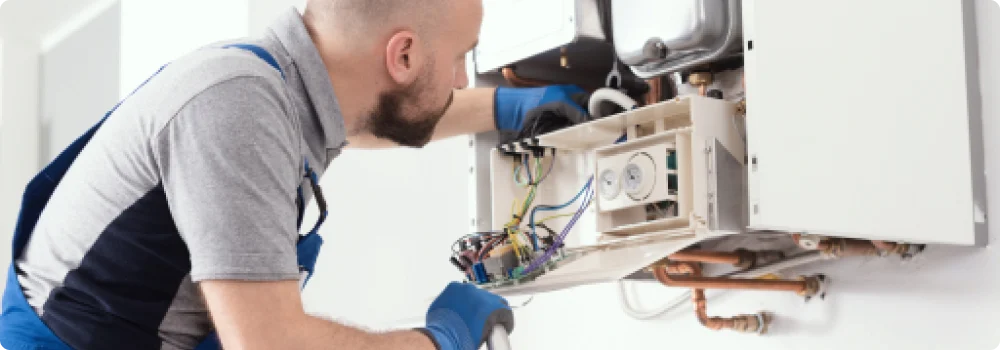
When moving into a new property, getting to grips with your heating setup should be a top priority. Start by locating all the main components, including the boiler, hot water cylinder, system programmer, and main stopcock. Walk through every room while the heating is running to feel for cold patches across the surface of each radiator unit. You should also check that all thermostatic radiator valves turn smoothly without sticking, and verify that the system pressure gauge on a combi boiler sits comfortably between 1.0 and 1.5 bar. Keeping a simple written record of any cold rooms or noisy pipes will give you a clear picture of overall performance and help heating engineers if professional assistance is required later.
2. Diagnosing Common System Faults
Older central heating circuits frequently suffer from poor water circulation and internal sludge buildup over time. Sludge consists of rust particles and mineral deposits that settle at the bottom of panel radiators, restricting proper heat distribution. If your radiators feel warm at the top but remain cold at the bottom, metallic sludge is almost certainly blocking the water flow. Cold tops with warm bottoms usually indicate trapped air, which is a quick fix. However, if multiple radiators remain lukewarm throughout the property, you may be dealing with wider trouble with central heating caused by a failing pump or heavy pipe blockage. Upgrading old panels to modern double-panel or high-output convector radiators can dramatically improve heat transfer and lower energy bills.
3. Practical Steps to Improve System Efficiency
You do not always need to spend thousands of pounds to enjoy a warmer and more energy-efficient home. Bleeding trapped air from cold radiator tops using a standard radiator key is one of the easiest ways to restore full heating capacity. Balancing the system by adjusting the lockshield valves on each unit ensures hot water distributes evenly across every room rather than just the closest ones to the boiler. Replacing manual radiator valves with modern thermostatic controls allows you to manage temperatures room by room, while fitting reflective panels behind exterior wall radiators helps bounce warmth back into your living space.
4. Modernising Your Radiators for Maximum Heat Output
Many first-time buyers focus entirely on the boiler, but outdated radiators are often the primary source of poor heating performance. Older radiators accumulate internal corrosion over decades, which restricts water flow and reduces their heat transfer capacity. Replacing single-panel units with modern double or triple-convector models drastically increases thermal efficiency without taking up extra wall space. Modern panel radiators are engineered to heat up faster using smaller water volumes, which reduces the load on your boiler and noticeably reduces monthly energy consumption.
5. Choosing the Right Radiator Types for Each Room
Every room in your home has distinct heating requirements depending on its size, orientation, and usage pattern. High-traffic areas like living rooms benefit from high-output convector or column radiators that maintain consistent, comfortable warmth throughout the day. Kitchens and hallways, where wall space is usually limited, are ideal candidates for vertical radiators that maximize height rather than width. In bathrooms, fitting a modern heated towel rail provides dual functionality by keeping towels dry while delivering adequate background heat to prevent damp and condensation.
6. Sizing Your Radiators Accurately with BTU Output
Replacing radiators without calculating room heat requirements can lead to cold spots or wasted energy. Radiator capacity is measured in British Thermal Units, which indicates the heat energy required to keep a specific room comfortable. Factors such as room volume, window size, wall insulation quality, and external exposure all influence the necessary heat output. Calculating the exact heat required ensures you select a radiator model that keeps your room warm efficiently without overworking your existing central heating system.
7. Understanding the Benefits of Magnetic System Filters
Older central heating pipework naturally produces iron oxide debris as internal metal surfaces react with water. Installing a magnetic filter directly into the return pipework captures these circulating metallic particles before they can enter the boiler or settle inside radiators. This simple addition protects pump impellers, improves chemical inhibitor circulation, and maintains smooth water flow through narrow boiler heat exchangers. For an ageing system, a magnetic filter serves as an affordable protective measure that extends operational lifespan and reduces maintenance costs.
8. Long-Term Maintenance and System Protection
Maintaining an efficient heating system requires ongoing attention rather than one-off fixes. Adding a high-quality chemical corrosion inhibitor to your heating circuit prevents internal rust formation and slows down sludge buildup in pipework. Scheduling an annual inspection with a Gas Safe registered engineer ensures electrical controls, gas pressures, and flue conditions remain safe and functional. Establishing a routine maintenance schedule gives you peace of mind, keeps running costs predictable, and protects your property against unexpected winter breakdowns.
Conclusion
Inheriting an older heating system might feel daunting, but taking a systematic approach puts you firmly in control of your home’s comfort. By systematically bleeding radiators, balancing flow, and replacing outdated, corroded radiators with high-efficiency modern panels, you can transform a sluggish setup into an effective heating network. Addressing minor issues early prevents minor annoyances from escalating into major winter emergencies. Whenever you encounter persistent trouble with central heating, consulting an qualified engineer ensures your home remains safe, warm, and energy-efficient for years to come.