Protecting a property is not a choice between people and technology. The right answer depends on risk, occupancy, operating hours and response needs. This guide compares manned guarding with remote monitoring, helping decision-makers select a practical security model that protects people, premises and assets without unnecessary cost or weak coverage.
Every property faces a different mix of risks. A busy office may need controlled access and visitor support, while an empty warehouse may benefit from continuous camera surveillance. Manned guarding supplies an immediate human presence. Remote monitoring gives trained operators visibility from another location. Neither option is automatically better. The right choice depends on how the building is used, what must be protected and how quickly someone must respond. A security company in London can assess these factors and recommend manned guards, CCTV monitoring or a combined approach that provides protection without paying for measures the premises do not require.
1. What Manned Guarding Provides
Manned guarding places trained security officers at your premises. Their duties may include controlling access, checking identification, managing visitors, patrolling restricted areas, supervising deliveries and responding to alarms.
A visible officer can discourage theft, trespassing, vandalism and antisocial behaviour. Guards can recognise unusual conduct, speak with people and make decisions based on the situation. They can act at once when an incident occurs rather than waiting for someone to travel to the site.
Human interaction makes this model well suited to occupied buildings, reception areas, construction sites, residential developments and locations with regular visitors. Guards can support emergency procedures and record daily activity for management review.
2. Where Manned Guarding Has Limitations
Continuous on-site guarding usually costs more than technology-led protection because trained personnel must cover every required shift. Round-the-clock coverage may need several officers to account for working hours, breaks, holidays and absence.
A guard cannot watch every part of a large property at once. Blind spots can remain unless patrols are supported by cameras, alarms and access control systems. Performance can suffer when assignment instructions are unclear or staffing levels do not reflect the site’s size.
Before choosing this model, identify the exact tasks that require human judgement. This prevents businesses from paying for permanent attendance when scheduled patrols or monitored cameras could manage quieter periods.
3. How Remote Monitoring Works
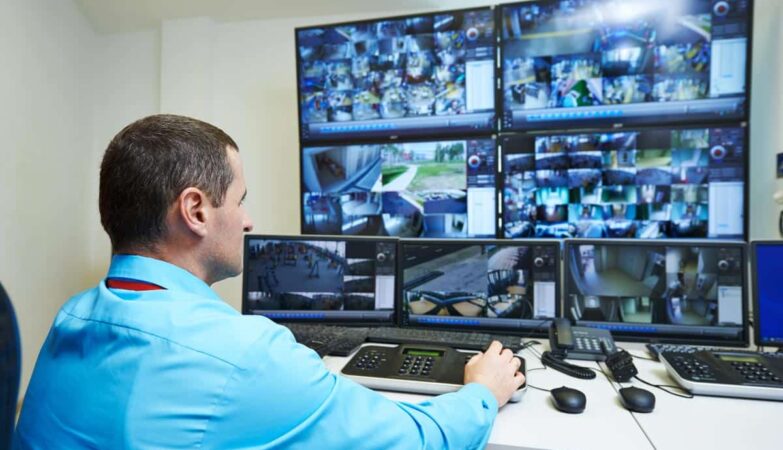
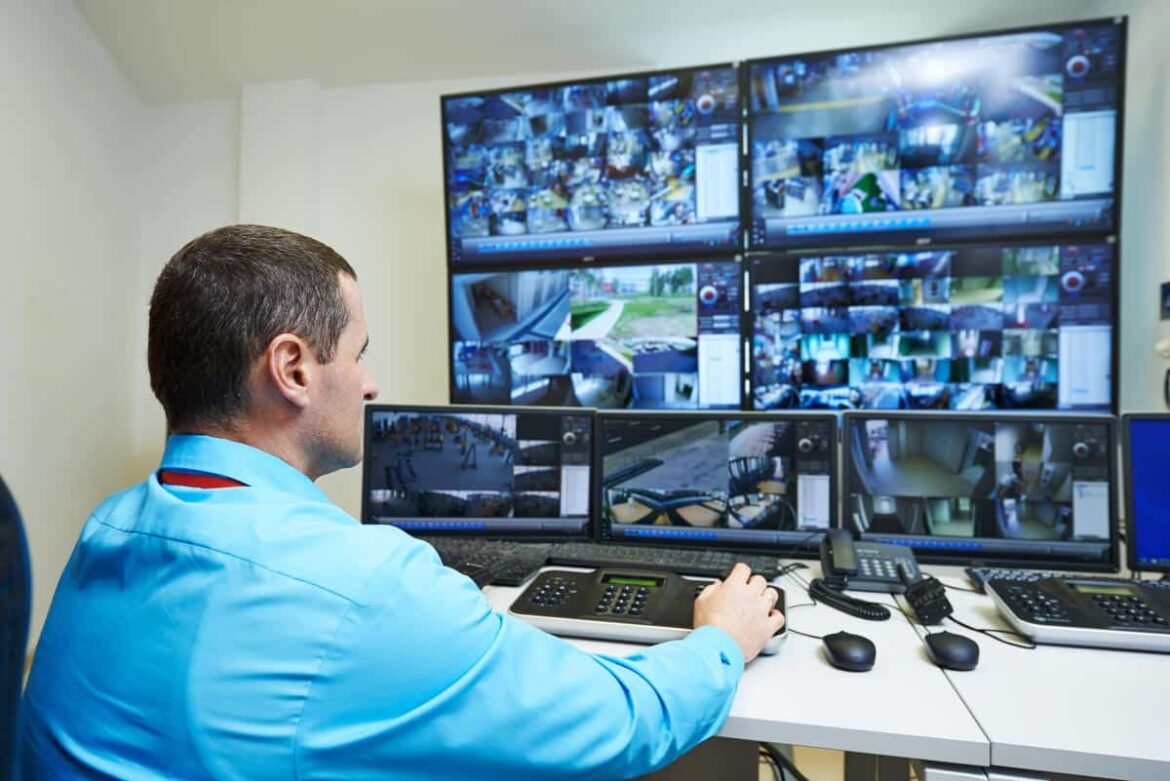
Remote monitoring connects CCTV cameras and detection systems to trained operators based away from the property. When the system identifies movement, an alarm or suspicious activity, operators can examine camera feeds and assess the threat.
Depending on the agreed procedure, they may issue an audio warning, contact a keyholder, request a security response or alert the emergency services. The system creates a record that can support incident reviews and investigations.
Remote CCTV monitoring can provide continuous observation without placing an officer permanently at the premises. It often suits vacant properties, closed offices, warehouses and sites that need strong overnight surveillance.
4. The Limits of Remote Protection
Remote operators can see and assess activity, but they cannot always provide immediate physical intervention. If someone enters the property, the response depends on a mobile officer, keyholder or emergency service reaching the location.
Camera position and image quality are critical. Poor lighting, damaged equipment, blocked views and unreliable connections can weaken coverage. Regular testing and maintenance are needed to keep the system effective.
Remote monitoring is less suited to duties requiring personal interaction. A camera cannot welcome visitors, check physical passes closely, manage a difficult confrontation or guide occupants during an evacuation.
5. When a Combined Model Makes Sense
Many premises gain stronger protection by combining personnel with monitored technology. Guards can control busy entrances during operating hours, while remote CCTV protects the property after it closes. Cameras can help officers cover large areas and respond to alerts more accurately.
A security company in London can review footfall, working patterns, building layout, access points and previous incidents before recommending how each service should operate. This assessment should identify when guards are essential, when cameras are sufficient and how alerts will be escalated.
A combined model can control costs while retaining a human response for higher-risk periods. It can include scheduled mobile patrols when permanent attendance is unnecessary.
6. Choosing the Right Security Model
Begin with a formal risk assessment. Record what needs protection, who uses the premises, when the building is occupied and which incidents would cause the greatest harm. Consider theft, unauthorised entry, vandalism, fire, personal safety and disruption to operations.
Define the response you expect. Some sites need immediate intervention, while others require verification and rapid notification. Review insurance conditions, licensing obligations and internal safety policies before approving the plan.
Ask potential providers about staff vetting, SIA licensing, operator training, management support, incident reporting and equipment maintenance. The proposal should clearly state coverage hours, responsibilities, response procedures and service costs.
FAQs
Can remote monitoring replace security guards completely?
It can protect some low-occupancy or closed premises, but it cannot perform tasks that require physical intervention or personal contact.
Is manned guarding suitable for overnight protection?
Yes. Overnight guards can patrol, monitor entry points, respond to alarms and protect areas that carry a higher risk outside operating hours.
What happens when remote operators detect an intruder?
They assess the footage and follow an agreed response plan. This may involve an audio warning, contacting a keyholder, dispatching security personnel or calling the emergency services.
How often should a security arrangement be reviewed?
Review it at least annually and whenever occupancy, opening hours, building use or known risks change.
Can existing CCTV support manned guards?
Yes, provided the equipment offers suitable coverage and is properly maintained. Cameras can help guards monitor wider areas and investigate alerts quickly.
Final Conclusion
Manned guarding and remote monitoring solve different security problems. Guards offer visible deterrence, human judgement and an immediate on-site response. Remote monitoring provides continuous surveillance and can reduce the need for permanent staffing during quieter periods.
The correct model should reflect the property’s layout, occupancy, risk level and operating hours. Businesses should assess where human interaction is essential, how quickly incidents require intervention and whether cameras can cover vulnerable areas effectively.
A combined approach often provides the best balance. Guards can manage people and higher-risk periods, while monitored CCTV maintains awareness across wider areas or outside normal hours. Clear procedures, reliable equipment and regular reviews keep either model effective. A professional security company in London can assess your premises, define suitable response arrangements and build a proportionate security plan around manned guarding, CCTV monitoring or both.