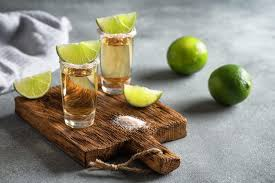
Have you ever thought about having your own brand of tequila? Picture your name on a fancy bottle of tequila and the bottle being sold to bars and stores, or even better, poured for your friends and family to enjoy. Starting your own brand of tequila is a business venture that can create a great mixture of your family’s history and traditions with your business savvy and storytelling. Because the demand for premium tequila is a growing industry, the potential for your venture is definitely there. As long as you do the research and make the necessary investment, you can create a quality premium tequila brand that is 100% agave and tell the story of your family’s history and traditions.
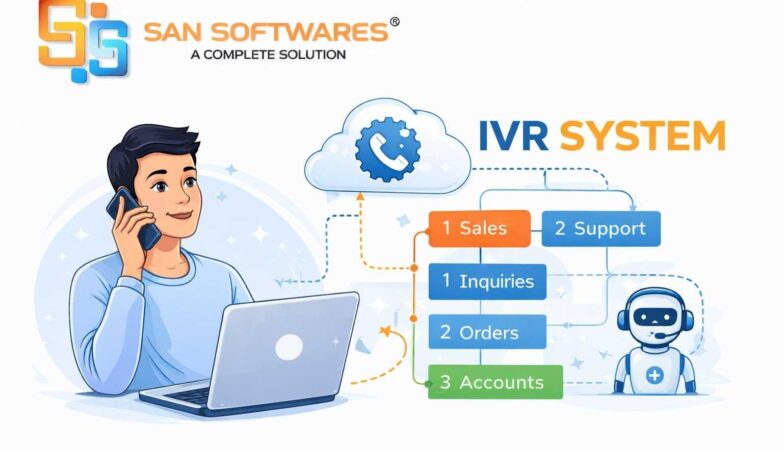
Working with distilleries to create a brand is easier than ever. Controlio is a great new product that allows you to use your time more efficiently while tracking your time and the time of your employees. The purpose of Controlio is to offer idle time detection for businesses and brands on the right track without wasting any time.
Step 1: Go as Broad as Possible When Conducting Your Market Research
Tequila has become a very specific and desired product. Do not get me wrong, tequila can be fun and crazy, and you can start a brand that offers party favors, boring cocktails, or anything you can think of to help you sell the product. However, the tequila industry at this moment is growing in very specific ways, and you should focus on those aspects of tequila in your research. You should create a premium brand.
The U.S. is still the primary market, although brands that highlight sustainability, handmade products, and interesting flavor variations can build a target market almost anywhere.
The primary competitors for your business model are the 1,400+ brands currently registered. Focus on a specific market within the millennial and Gen Z consumer markets, one looking for brands that provide organic, story-friendly recipes. Alternatively, go after the sipping tequila market for aficionados. Specify your target market and build the business model around that.
The business model should include a startup range, positive and negative cash flow control measures, a break-even analysis, and growth forecasting that should reflect your target market and how it will impact your positive cash flow projections. Most investors are looking for a range of $100,000-$500,000+ to get the company off the ground, and sources of investment will certainly want to see a positive cash flow projection to reflect how the money will be spent within the business. This will likely provide a good measurement of the distance between your target market and how it affects cash flow positivity.
Step 2: The next step will be to focus on the legal and other regulations necessary to establish a business.
You are legally unable to label your products as tequila if the spirit is not derived from Mexican blue agave and is not produced from the specified Mexican regions: Jalisco, Guanajuato, Michoacán, Nayarit, and Tamaulipas.
You are consulting the Norma Oficial Mexicana (NOM-006-SCFI-2012), and the Consejo Regulador del Tequila (CRT) will be able to provide oversight.
The legal and regulatory dystopia of tequila will depend on the following:
- The trademark for the brand will be registered.
- It will be registered with IMPI in Mexico and the corresponding agencies in other countries.
- The brand will be registered with a CRT-certified distillery. Generally, they will include their NOM number on the label.
- The distillery will include 51% blue agave (100% is the legal standard for premium tequila).
- The rules with regard to the aging requirements for the production standards shall be followed: Blanco, Reposado, Añejo, and Extra Añejo.
- Use a NOM ID and appropriate labels showing the alcohol content (35-55%), and include the details of the origin, agave, and everything else.
To help you with the CRT processes, you should hire a local attorney or consultant to help you avoid shutting down or getting fines. Exporting U.S. and TTB approvals adds to the layers, but a solid start is the best foundation.
Step 3: Quality Ingredients and Partners
Blue agave is the soul of tequila and should be sourced from the best growers in the Jalisco region, specifically the Los Altos de Jalisco, since they provide the best sweetness and complexity. Securing a reliable supply chain is important given that prices fluctuate, along with the shortages that occur from time to time.
Because building a distillery from scratch (which costs a multimillion) is not an option for most new brands, you should choose one that best aligns with your vision for consistency and quality out of the many distilleries that have CRT approval to partner with. Many of them provide white-label or private-label services. As a result, you will be able to focus on branding while they handle the distillation, aging, and bottling for you.
Choose a style: a crisp Blanco for cocktails, an oaked Reposado for a touch of smoothness, or a decadent Extra Añejo for luxury sipping. Step 4: Crafting your brand’s identity and packaging
This is the part where you just get to be creative. Your brand story doesn’t just have to be one rooted in your heritage; it could be in innovation, sustainable practices, or a personal story of passion; it just has to connect to people.
Consider how buzz was built for Casamigos and their celebrity connections and relaxed luxury or how Clase Azul captivates with their hand-painted ceramics.
Stand out with your design packaging. Choose from elegant minimalism, bold graphics, and eco-conscious materials. Inclusive bottles and labels will elevate shelf and social media appeal. Hype your launch with storytelling and professional photography.
Step 5: Production, Bottling, and Quality Control.
With your partners, manage the process, from the harvesting of the agave to the slow cooking in ovens or autoclaves, fermentation, distillation, and possible aging. Ensure there is enough balance and consistency to the varying tastes of the products; many hire expert tasters.
For the sake of authenticity, bottling is done in the designated region. Final compliance checks are done before shipping.
Step 6: Marketing, Distribution, and Launch.
A strong digital presence will build anticipation. Use stories and Reels from Instagram to promote the agave fields, behind-the-distillery scenes, and partnerships with influencers. Co-sponsor distillations, partner with active bars, and offer complimentary tastings.
Wholesale, cross, and direct online distribution (where allowed) are how to secure channels of distribution. Local markets and direct commerce are the starting points.
Be meticulous with progress, and use time-tracking to identify slow spots and inefficiencies.
Common Challenges
Expect to face a number of challenges, as there will be regulatory questions, a glass ceiling on agave prices, oversaturation of the market, lofty capital requirements, and the scope of time needed. Marketing, production runs, and legal costs will start to stack on the budget, so do so wisely.
Good things take time, which is how most successful brands grow.
Inspiring Success Paths
These days, there are many brands that prove successful business building is possible at all stages (Casamigos Tequila, sold for billions after humble beginnings). Passion plus a winning business strategy is what you need, and that is centered on authenticity, quality, and real connection.
Launching a tequila brand in 2026 combines artistry with entrepreneurship and is rewarding.
Final Note: With a little bit of planning, solid partnerships, and authentic storytelling, your tequila brand has the potential to be a legend, honoring Mexican heritage and making you great. Respect the process, make a heart connection with each bottle, and your success is predetermined. Cheers to your future victory sip!