
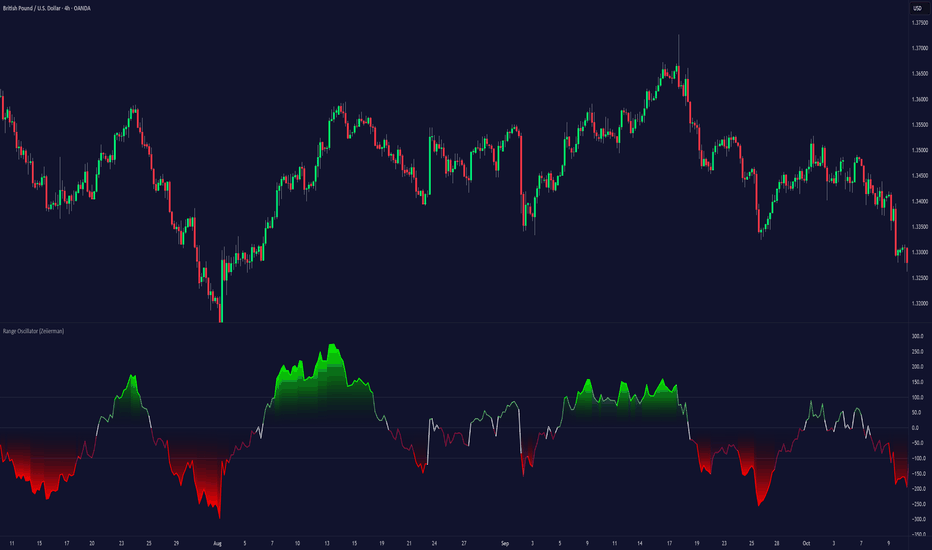
Visualizing tools are common among investors who are interested in laying the groundwork of long-term strategies through price-history analysis and market trends of the past. The TradingView charts offer a more extensive platform to make long-term investment planning since users can analyze multi-year price data, key support and resistance areas, and trends over a long period. Through the visualization of such factors, investors can make better decisions regarding asset allocation, entry points, and risk management, which increases the chances of long-term financial achievements.
Long-term investments require historical trend analysis. The TradingView charts enable the investor to determine the periods of bullishness or bearishness, cyclical patterns, and turning points in the history of an asset. Given the responsiveness of prices to economic phenomena, shifts in policy, or world developments, it is useful to see how prices have responded to them to better estimate future trends. Direct annotation of these trends on the charts also aids investors in visualizing the growth paths that may take place and investing according to the overall market trend.
The level of support and resistance is very important when assessing long-term investment opportunities. Knowing the highs and the lows of the past, investors will be able to know price zones where assets were highly bought or sold. Charts presented by TradingView can be used to annotate these levels with high accuracy and provide clear points of reference when considering an entry or exit strategy. The given visual method helps to evaluate the possible risk and reward of long-term positions.
Long-term planning can be done using trend analysis and level analysis supplemented with technical indicators. MACD, relative strength indicators, and moving averages assist investors in estimating the power of long-term movements and whether a reversal will occur or not. The combination of these indicators using TradingView charts will give a multi-layered view of the market momentum to be used in making better decisions about when to purchase or sell.
It improves portfolio planning with the monitoring of several assets at the same time. TradingView charts enable investors to compare the asset of interest, whether correlated or diversified, including stocks, commodities, or indices, to assess the risk exposure and the possible diversification gain. By analyzing the movements of various investments relative to one another, investors will be able to make strategic allocation decisions and be prepared for the possible effect of market fluctuations on their portfolios.
The timeframe customization is especially useful in long-term investment planning. The weekly, monthly, or annual charts give a better perspective of the general market trends and remove the noise of the short-term price changes. By focusing TradingView charts on longer periods, investors can find out the trends that can be sustained, when accumulation is likely to occur, and when a range of consolidation will occur that may affect long-term positioning.
Disciplined investment strategies are assisted by the alerts on TradingView charts. Investors are able to establish alerts on major price points, trendline crosses, or indicator crosses that fit their long-term strategy. This makes one aware of the opportunities or the risks they face at the right time without the need to observe them all the time. The use of alerts in conjunction with visual analysis assists in ensuring strategic discipline and also improves risk management practices.
Long-term analysis of the activities of assets also helps in enhancing decision-making. Investors can use past market responses, which have been annotated on charts of TradingView to predict the potential performance of assets in similar circumstances. The practice is useful in refining entry and exit strategies, asset allocation, and confidence in long-term investment planning.
Through the combination of trend analysis, support and resistance analysis, technical indicators, comparison of multiple assets, customization of timeframes, and alerts on TradingView charts, investors will be able to create a systematic approach to long-term investment planning. This systematic approach to the organization facilitates better risk management, more effective implementation of strategies, and is a decision-making process supported by extensive market knowledge and eventually contributes to the accomplishment of long-term financial goals.