The Science Behind the Softness
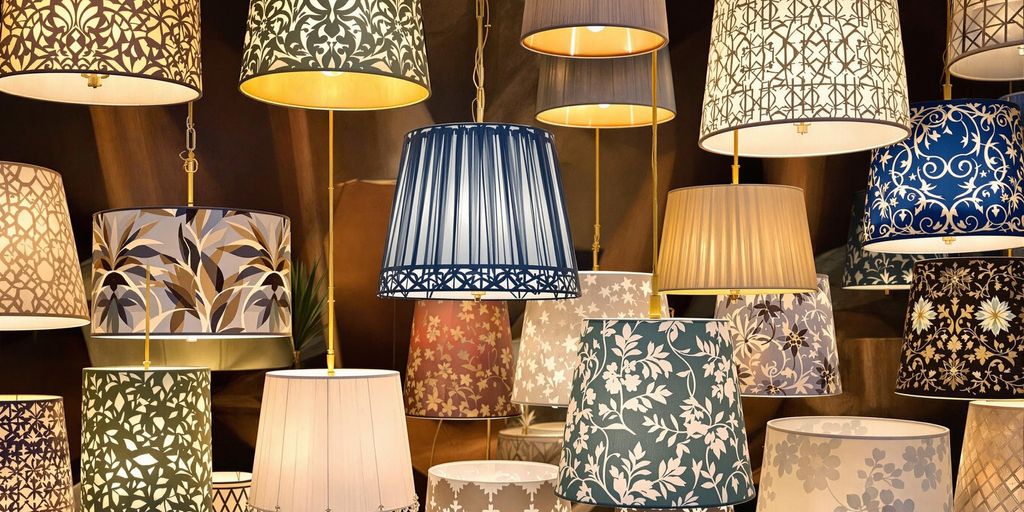
Color can seem overwhelming when it is reflected in a space without filter. A single bulb in an intense shade can throw stark light flecks on furniture and walls which creates a stark contrast that tire the eyes rather than relaxing it. Fabric serves as an intermediary in this exchange between the light source and the living space. When silk or cotton is placed between the bulb and the space around it the fabric breaks down focused wavelengths and spreads the light waves over a larger space. This results in a glowing glow that conveys the essence of the hue, but without the sharpness of a visual display which can make bright tones appear unnatural. This is particularly important when people choose vivid hues to their light fixtures since the fabric alters the way that the color reaches the eyes.
Why Vibrant Hues Need a Gentle Hand
Intense shades like coral, tangerine, or burnt amber can dominate small spaces if there is nothing else to limit their intensity. Orange lampshades show this well. An item like the AARTIN 45 CM Autumn Leaves Cotton Lampshade that is straight shape employs soft cotton that captures and disperse warm amber light which would otherwise be concentrated in a single cone below the fitting. The cotton fibers absorb a portion of the light, and disperse the rest evenly, so the color is more inviting than a bright light. Similar to the Zigzag 20cm tapered Lampshade made of Apricot Zigzag features a fun design of chevrons with fabric diffusion, meaning that the geometric lines themselves split the light into smaller fragments. Silk options like an AARTIN orange silk lampshade that has an empire-shaped shape, extend the concept further since the natural shine of silk reflects light in various angles, allowing the whole room a soft luminosity that is luxurious but doesn’t look too theatrical.
Texture as a Tool for Taming Light
The weight of the fabric and the density of the weave are key to how much color is let through. A well-woven cotton drum shade can hold much more sunlight than loosely weaved linen substitute. The Ripple 35cm tapered Shade in coral pink Ripple Patterned Linen displays this harmony beautifully that allows a soft rosy glow to radiate through and its smooth surface keeps the single light source from dominating the visual field. Gathered styles offer an additional layer of control because the folds that are formed in the fabric create tiny shadow pockets and highlight, which also break up the color output.
Balance the Palette by using quieter Tones
Of course, not every space requires a bold statement. Sometimes, the aim is to let the furniture and architecture speak for themselves while lighting is merely a part of the general mood. A neutral lampshade like that of the Grace 6 Inch Shade in White Silk Fabric or the AARTIN Grey Silk Lampshade with an empire shape can accomplish exactly this. They are based on the same principles of diffusion as that we discussed earlier, but the subtle tones they create blend seamlessly into the background. They are Chatsworth 1lt Shade along with the Carrie 1lt Shade have simple, minimalistic designs that blend in rather than compete with the decor around them, proving that fabric diffusion isn’t only a technique for striking colors, but an all-purpose advantage of selecting the right shades for your fabrics.
A Practical Takeaway for Every Room
Whether the homeowner prefers bright amber or calming grey, knowing the way fabric reacts to light and color can make the process of choosing more thoughtful. The perfect shape, weave and colour can transform an ordinary fixture into an instrument that creates ambience as well as softens the edges of visuals and gives a room exactly the ambience that a room deserves.