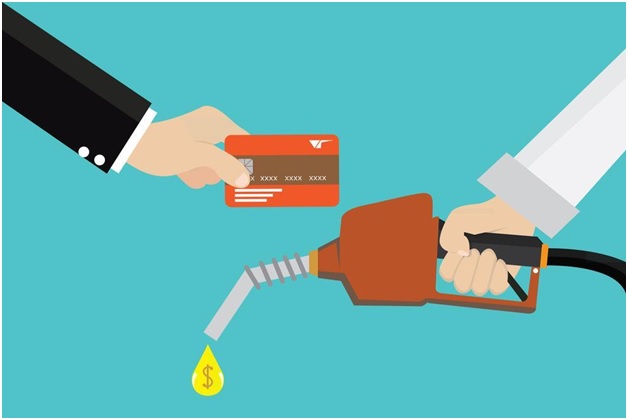
Fuel costs are one of the most variable expenses in day-to-day operations. A well-chosen fuel card helps track every transaction, set clear spending limits, and simplify billing. Understanding which features matter most can prevent overspending, reduce admin work, and give managers clear visibility over fuel usage across vehicles and drivers.
Managing fuel expenses is no longer just about paying at the pump. For many organisations, fuel cards play a central role in cost control, reporting accuracy, and operational efficiency. When chosen carefully, a fuel card becomes a practical management tool rather than a simple payment method. Providers such as AI Corporation highlight how structured fuel solutions can support smarter decision-making, but the real value depends on selecting features that align with your business needs.
This article outlines the most important elements to consider when selecting a fuel card. The focus is on functionality, transparency, and long-term usefulness, helping you make an informed and confident choice.
Broad Fuel Network Coverage
One of the first features to assess is where the fuel card can be used. A wide acceptance network ensures drivers can refuel easily without detours or delays.
Key points to consider include:
- Access to multiple fuel brands rather than a single supplier
- National and regional coverage that matches your operating areas
- Availability in both urban and rural locations
A broad network reduces wasted mileage, saves time, and helps maintain consistent operations across different routes.
Transparent Pricing and Cost Control
Fuel pricing can be complex, which makes transparency essential. A strong fuel card solution should provide clear pricing structures that are easy to understand and verify.
Look for:
- Consistent pricing methods rather than unpredictable rates
- Clear breakdowns of fuel costs and associated charges
- Tools that help monitor price trends over time
Transparent pricing allows businesses to budget more accurately and identify cost-saving opportunities without confusion.
Detailed Reporting and Insights
Reporting is one of the most valuable aspects of a fuel card. Good data turns fuel spend into actionable insight.
Effective reporting features often include:
- Itemised transaction summaries
- Customisable reports by driver, vehicle, or time period
- Export options for accounting and internal reviews
Around the midpoint of fuel card evaluation, many decision-makers recognise that insight is just as important as convenience. Solutions designed with reporting in mind, such as those associated with AI Corporation, demonstrate how structured data can support better planning and internal accountability.
Strong Security and Fraud Prevention
Fuel cards should simplify payments, not introduce risk. Security features are essential for protecting against misuse and unauthorised transactions.
Important security elements include:
- PIN or driver ID protection
- Spend limits by vehicle or card
- Real-time alerts for unusual activity
These controls help ensure fuel is used strictly for business purposes and reduce exposure to unnecessary losses.
Flexible Controls and Customisation
Every business operates differently. A fuel card should offer flexibility rather than a rigid, one-size-fits-all approach.
Useful customisation options include:
- Setting daily or weekly spend limits
- Restricting purchases to fuel only
- Adjusting controls as business needs change
Flexible controls allow businesses to scale their fuel management approach without needing to switch providers as operations evolve.
Integration With Accounting and Systems
Fuel card data is most useful when it fits smoothly into existing processes. Integration reduces manual work and improves accuracy.
Consider whether the fuel card supports:
- Compatibility with accounting software
- Automated invoicing and reconciliation
- Consolidated billing for simpler expense management
When fuel data flows seamlessly into financial systems, it saves time and reduces administrative burden.
Clear Invoicing and Payment Terms
Invoicing clarity is often overlooked but plays a major role in cash flow management. A reliable fuel card should simplify, not complicate, billing.
Key invoicing features include:
- Single, consolidated invoices
- Clear tax information and breakdowns
- Predictable billing cycles
Straightforward invoicing supports smoother financial planning and easier compliance with internal controls.
Customer Support and Service Reliability
Even the best systems require support from time to time. Responsive customer service ensures issues are resolved quickly and efficiently.
Look for:
- Dedicated support channels
- Clear guidance on card management
- Timely assistance for lost or compromised cards
Reliable support adds confidence and ensures continuity when unexpected situations arise.
Scalability for Growing Operations
A fuel card should support where your business is heading, not just where it is today. Scalability is essential for long-term value.
Scalable solutions typically offer:
- Easy addition or removal of cards
- Support for expanding fleets or teams
- Consistent features regardless of size
This flexibility prevents disruption as your operations grow or change.
Environmental and Usage Tracking Options
Many organisations now track fuel usage for sustainability and efficiency reasons. While not always essential, these features can add value.
Optional tools may include:
- Fuel consumption monitoring
- Emissions-related reporting
- Usage trends to support efficiency goals
These insights can support broader operational and environmental objectives without adding complexity.
Conclusion: Choosing a Fuel Card With Confidence
Selecting a fuel card is a strategic decision that goes beyond convenience at the pump. The right solution supports cost control, strengthens oversight, and simplifies everyday operations. Key features such as wide network access, transparent pricing, detailed reporting, strong security, and flexible controls should guide the decision-making process. Integration, clear invoicing, reliable support, and scalability further determine long-term value.
Rather than focusing on short-term benefits, businesses should assess how a fuel card fits into their wider financial and operational structure. A well-chosen card becomes a tool for insight, efficiency, and control. By evaluating these features carefully and aligning them with your priorities, you can select a fuel card that delivers consistent value and supports sustainable growth—an approach reflected in structured fuel management models like those associated with AI Corporation.