Customer support teams rarely complain about having too few calls. The real problem is what happens before an agent even says hello.
A customer dials in with a simple billing question. Instead of reaching the right team, the call lands with sales. Sales transfers it to support. Support realizes it belongs with accounts. By the time the caller reaches the correct person, patience is already thin.
Most contact centers have lived through this chaos. And that’s exactly why the IVR System has quietly become one of the most practical upgrades in modern customer support.
Not flashy. Not complicated. Just smarter handling of conversations before they reach an agent.
The Shift Happening Inside Support Teams
A few years ago, many companies treated IVR menus like a basic phone tree.
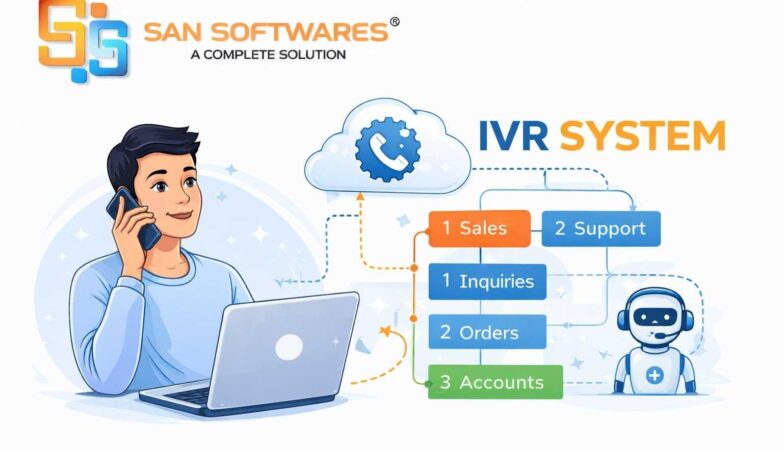
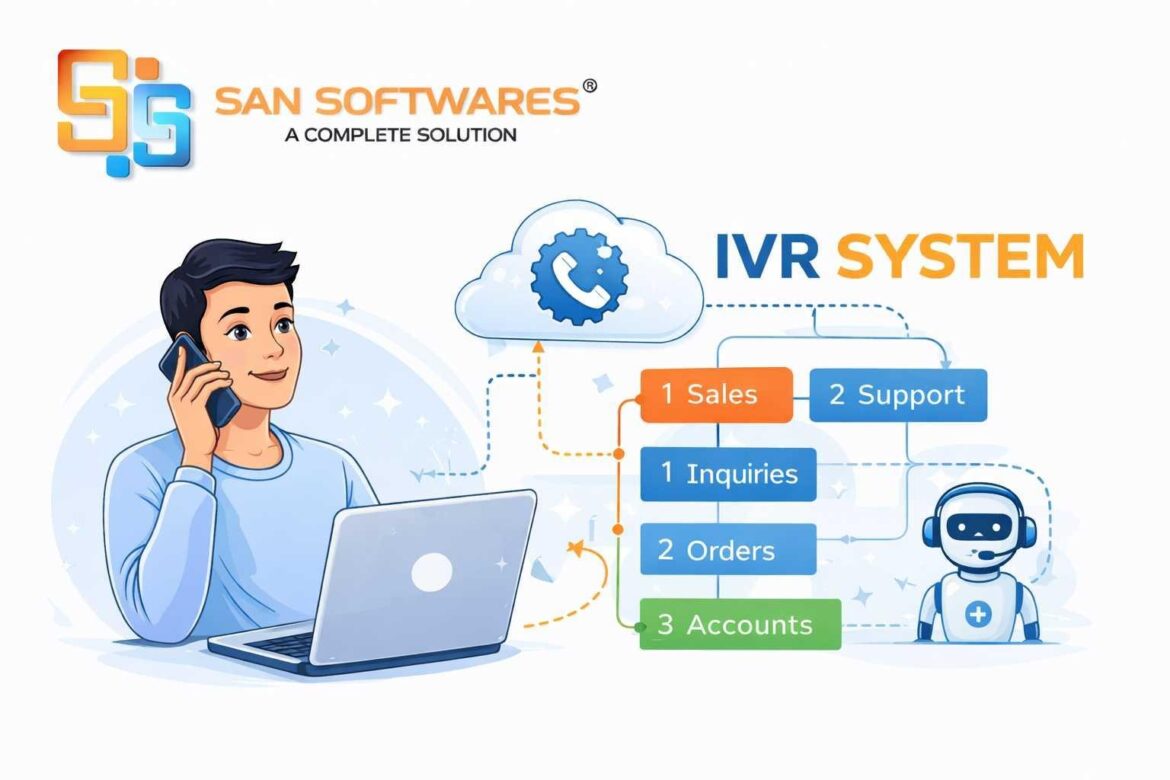
“Press 1 for sales.”
“Press 2 for support.”
That was the extent of it.
The systems being used in 2026 look very different. They are built around how customers actually behave when they call. Support leaders are no longer asking, “Which menu option should we add?”
They’re asking something else:
How do we get customers to the right person faster?
That’s where the combination of an IVR System and intelligent call routing begins to make a real difference.
Instead of acting like a gatekeeper, IVR now acts more like a traffic controller.
When Routing Decisions Happen Before an Agent Even Answers
One telecom company I worked with had a common support issue: customers calling about SIM activation.
The strange part? Those calls were landing everywhere—technical support, billing, even customer retention.
Agents were spending the first two minutes just figuring out where the call belonged.
After revisiting their IVR flow, the company added one simple question early in the menu:
“Are you calling about activating a new SIM?”
Calls answering “yes” moved straight to the activation team through targeted call routing.
No transfers. No guesswork.
Within two weeks, average handling time dropped by nearly 40 seconds per call. That may sound small, but across thousands of calls a day, it freed up hours of agent time.
And more importantly, customers weren’t bouncing around departments anymore.
Customers Actually Prefer Smart IVR — When It’s Done Right
There’s a common myth floating around support circles: people hate IVR.
What they actually hate is bad IVR.
You know the type. Long menus. Confusing options. Five layers deep before you reach anyone.
A well-designed IVR System feels very different.
Think of how customers behave when they call a business. Most already know why they’re calling. They don’t want small talk; they want direction.
A quick menu that recognizes the reason for the call and routes them accordingly saves everyone time.
When the flow works, customers rarely notice it. They just reach the right person faster.
And that’s the point.
Support Teams Are Using IVR to Handle Routine Requests Automatically
Another change that’s become common in 2026: IVR handling simple requests without agent involvement.
One SaaS company I spoke with recently introduced automated responses for three common support queries:
- Account balance checks
- Payment confirmation
- Password reset guidance
These were requests that didn’t actually need a human agent.
Their IVR System now answers those instantly. Customers hear the information they need and hang up satisfied.
Support tickets for those issues dropped by nearly 30%.
The support team didn’t shrink. Instead, agents had more time for complicated cases where real conversation matters.
Smarter Call Routing Means Less Agent Burnout
Agent fatigue often comes from dealing with the wrong conversations.
Picture a technical support specialist answering a billing dispute. Or a billing agent trying to troubleshoot an API issue.
It slows everything down and frustrates both sides.
Better call routing solves that quietly in the background.
Modern IVR setups can route calls based on:
- customer history
- language preference
- location
- previous interactions
- even product type
So when a caller finally connects with an agent, the conversation starts at the right place instead of the wrong one.
For support teams handling thousands of calls daily, that difference adds up quickly.
IVR Data Is Now a Valuable Support Insight Tool
Here’s something many businesses overlook.
Every time a customer interacts with an IVR System, they leave clues about what they need.
Support managers are starting to study those patterns.
If thousands of callers select “billing problem,” that’s a signal something might be wrong in the billing process.
If customers repeatedly press zero to reach an agent instead of using menu options, the IVR flow probably needs improvement.
These small signals help teams adjust both their support strategy and their product experience.
Sometimes the phone system ends up revealing problems the support dashboard never shows.
A Few Practical Lessons From Teams That Got IVR Right
After watching several companies rebuild their support systems around IVR, a few patterns appear again and again.
Keep menus short.
Three options are easier than eight.
Route by intent, not department.
Customers care about their problem, not internal team names.
Always allow a human option.
Even the best automation shouldn’t trap callers.
Watch real call behavior.
Menu designs that look perfect on paper often behave differently with real customers.
Support leaders who treat IVR as a living system—not a one-time setup—see the biggest improvements.
Where IVR Is Headed Next
Voice recognition and AI-assisted menus are becoming more common, though not every company needs them yet.
What matters more is thoughtful design.
A well-built IVR System paired with accurate call routing can quietly remove friction from thousands of daily interactions. No complicated tools required.
Customers reach the right team faster. Agents spend less time transferring calls. Support teams handle higher volumes without feeling overwhelmed.
It’s not the kind of technology that grabs headlines.
But talk to anyone running a busy contact center, and they’ll tell you the same thing.
When the phone system works the way it should, everything else in customer support starts running smoother too.